

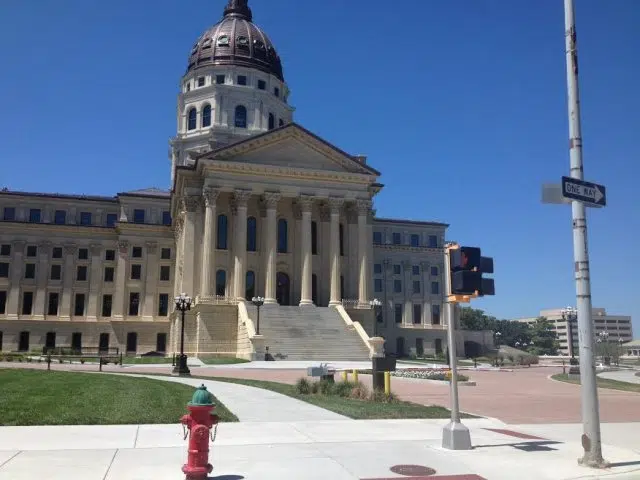
Kansas Lawmakers are heading back to the statehouse Thursday for the annual veto session, but it may not be the last time they’re in the state capitol this year.
The veto session is set to run through Saturday before final adjourment and local lawmakers are expecting a lot of work ahead with at least nine vetoes on the table from Kansas Governor Laura Kelly. While final adjournment is set for this weekend, Governor Kelly stated she might call the legislature back for a special session later this year.
The reason for said return? The state’s budget, which the governor has expressed some dissatisfaction with in recent weeks. The legislature recently approved a better-than-$10.6 billion budget for 2026, which included a 1.5 percent cut in state spending that some have called “far more limited” than what was originally anticipated.
For reference, this was about $210.5 million less than what was approved for fiscal year 2025 and projections are showing the state’s ending balance could be nearly half a billion dollars in the red by 2028.
With this in mind and with the state’s general consensus revenue estimates set to be released April 20, 60th District Representative Mark Schreiber says a return for lawmakers is possible depending on what the estimates say.
17th District Senator Mike Argabright of Olpe says there are a lot of tough discussions ahead when it comes to the budget in the coming years. That said, he did vote in favor of it saying he was keeping an eye on two specific areas: K-12 and post-secondary education funding.
Schreiber and Argabright offered their comments during separate interviews on KVOE’s Morning Show Wednesday where another major talking point focused on the passage of Senate Bill 269, known as the “income tax trigger bill,” which aims to reduce individual and corporate income tax rates to as low as 4 percent. Schreiber and Argabright both noted the bill came up “very late” in the session, with Schreiber saying he did not support it due to a roughly 60 percent cap he says it sets on the state’s general fund revenues.
Schreiber pointed to the state’s lack of full funding for special education as an example of his point.
Argabright on the other hand, voted in favor of the bill, saying the concept was interesting to him, although he admits it will be a process to reach the end goal.
As of Wednesday morning, the legislature has nine vetoes it will review and consider during the upcoming session, however, Schreiber had stated he believes that number could grow by the time lawmakers arrive in Topeka. The list of bills includes:
House Bill 2284 Developed to have the Department of Administration follow certain policies when it comes to negotiating with KanCare’s managed care entities. Kelly says this oversteps both the executive and judicial branches.
House Bill 2291 Seeking to develop a regulatory relief division inside the Office of Attorney General. Kelly says there isn’t enough oversight to grant the new committee “authority to overrule existing law.”
House Bill 2311 Dealing with researching at-risk educational programs. The governor says this is unnecessary because it is already being handled by the State Board of Education.
House Bill 2217 Designed to expand the audit authority of the Inspector General, a step the governor says is redundant and unnecessary.
House Bill 2033 Dealing with researching at-risk educational programs. The governor says this is unnecessary because it is already being handled by the State Board of Education
Senate Bill 29 Ending the authority of public health officials to both stop public gatherings and issue quarantines in the cases of health events like the COVID-19 pandemic. The governor says that contradicts evidence-based guidance from health officials and would put Kansans at unnecessary risk
Senate Bill 79 Changes SNAP benefits to end the purchase of certain candy and soft drinks through the program. Kelly says those products would still be eligible through food assistance benefits and the waiver mandated for food sellers is confusing.
Senate Bill 5 Restricting the use of federal funds for elections and related activities
Senate Bill 14 Designed to allow for “continuous budgets until amended, lapsed or eliminated” by lawmakers.
You can find our listen to our interviews with Schreiber and Argabright in their entirety by clicking here.