


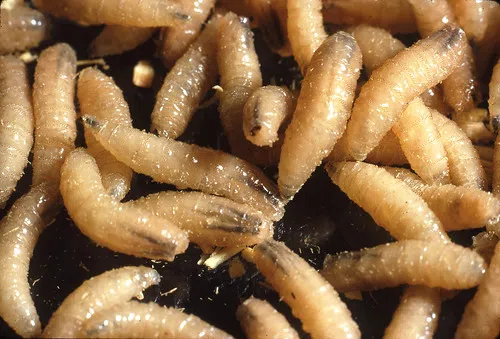
New World screwworm is back in the United States after a 60-year absence, but it’s nowhere close to Kansas herds.
After months of tracking the screwworm spread across Mexico, the insect was confirmed in Texas over the past week with four cases in livestock. Another case in New Mexico deals with a pet.
US Department of Agriculture Under Secretary for Marketing and Regulatory Programs Dudley Hoskins says screwworm is a concern for livestock producers — but also for wildlife officials and even pet owners.
Lyon County Extension Ag Agent Brian Rees says the peak season for transporting cattle from Texas to Kansas has passed.
On top of that, screwworm — larvae or adult flies — don’t survive Kansas’ cold winter temperatures.
Rees says screwworms don’t create wounds on livestock, but they move in once the wound is created — possibly by ticks.
Having said that, Asian longhorned tick — the cause of another serious livestock health issue, theileriosis — does not appear to be connected to screwworm.
Livestock can die from screwworm, based on the severity of any infestation, presence of other pests at the wound site or potential infections.
USDA says screwworm was first documented as a major problem back during the Depression era after infested animals were shipped from the Southwest to the Southeast. USDA has also been working for months to develop sterile flies, a technology developed in the 1950s, as a way to help mitigate the spread.
Even in this day and age, however, screwworm can cause headaches for livestock producers. USDA says locations with potential or suspected cases will go under hold orders, so they can’t move animals until they are examined and infested livestock will need to be both treated and quarantined until all wounds heal and there is no sign of reinfestation after a 21-day period. Severely infested animals, meanwhile, will not be allowed into the US food production system.
USDA has updated its response playbook available online at screwworm.gov. Here’s USDA Animal and Plant Health Inspection Service Associate Administrator Michael Schmoyer:
The Kansas Livestock Association, meanwhile, is telling ranchers to regularly inspect animals and to check any wounds — ranging from small cuts to newborn navels to fresh brand marks — for screwworm larvae. Both USDA and KLA are stressing screwworm is a pest, not a disease or a virus, and the worm is not a food safety concern. However, pets, wildlife and humans can be infested. Ranchers that see signs of screwworm infestation need to call their veterinarians immediately.
*Click here for the USDA’s online information on New World screwworm
*Click here for the K-State Research and Extension fact sheet
*Click here for the Kansas Department of Agriculture response plan update