


The question of whether or not to ban high-impact data centers in the Emporia City limits will go before Emporia voters this November.
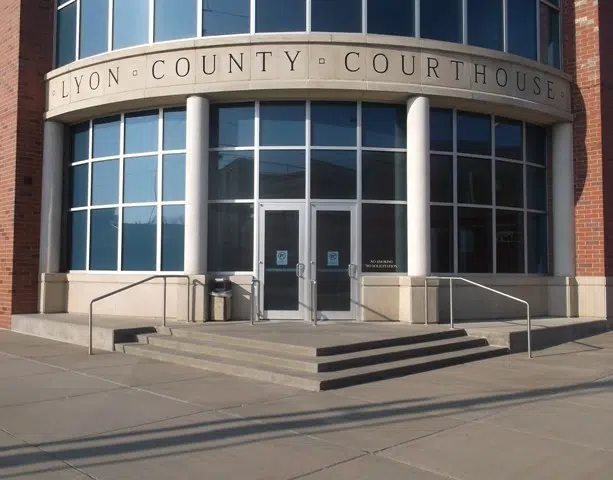
Following a hearing regarding an injunction filed by the City of Emporia against Jay Vehige of Emporia Neighbors United regarding the above-mentioned petition, Senior Judge Glenn Braun has ordered the city to place the item on the general election ballot for November. The city was seeking the injunction to pause putting the matter on the ballot until a declaratory judgment was reached as to whether or not the matter was legislative or administrative in nature, with the prevailing theory being that administrative ordinances do not fall under the direction of Kansas Statute 3013, which governs initiative petitions.
Judge Braun stated during his opening remarks that following review of the statute, the city had only two options: either enact the ordinance immediately or put it to a public vote. City Attorney Christina Montgomery stated that the city was not arguing the clarity of the statute, but rather whether it applied to this ordinance, with Braun himself citing State ex rell Schmidt vs City of Wichita, stating this only applied “Assuming the subject matter was authorized” under said statute.
In her arguments, Montgomery stated that this is the exact answer the city is seeking through the declaratory judgment, adding that the injunction was allowing time for that answer before citizens voted on the matter, expressing concerns of placing a matter on the ballot that may not meet legal requirements. In addition to the injunction, Thursday’s hearing also dealt with a Mandamus request from defense counsel Quinn Hughes.
A writ of mandamus, as it is known in legal vernacular, is an order from a court to a government official, lower court, or public agency to “Do a job they are legally required to do.” This again led to arguments from Montgomery as to what the city is legally required to do under the statute, as, in the opinion of the city, the status of legislative or administrative in terms of the policy had not yet been defined.
Hughes essentially argued, in simple terms, the city’s position on the matter would not be negatively impacted if the matter went to a vote with litigation as to the natural status of the ordinance continued thereafter. Montgomery stated the city was not opposed to this course of action if that was the will of the court, but did again cite concerns of confusion among voters should they vote for an item that is ultimately deemed invalid following separate review after the election.
Ultimately, Judge Braun took the above-mentioned action, ordering the city to place the item on the November ballot, saying it is the best time for the largest portion of voters to be involved. However, Brown also added that should the question of prohibiting data centers be approved by voters, it will not be enacted or published until after a ruling is made on whether the item is legislative or administrative in nature.
Should the ordinance be deemed administrative, it will, according to previous interviews with city administrators, be deemed invalid and therefore the general election vote would be null and void. At this time, the only special question set to be placed on the ballot is the question regarding the data center petition.
A separate, yet related petition seeking to ban battery energy storage systems is not up for vote; however, that could change if the BESS petition is added to the ongoing litigation with the data center petition, which was the preference of Emporia City Commissioners when they voted to send the second petition to district court for declaratory judgment Wednesday.
Emporia City Commissioners will likely call a special meeting next week to officially take action to place the question on the upcoming ballot. A time and place for said meeting is currently pending.