


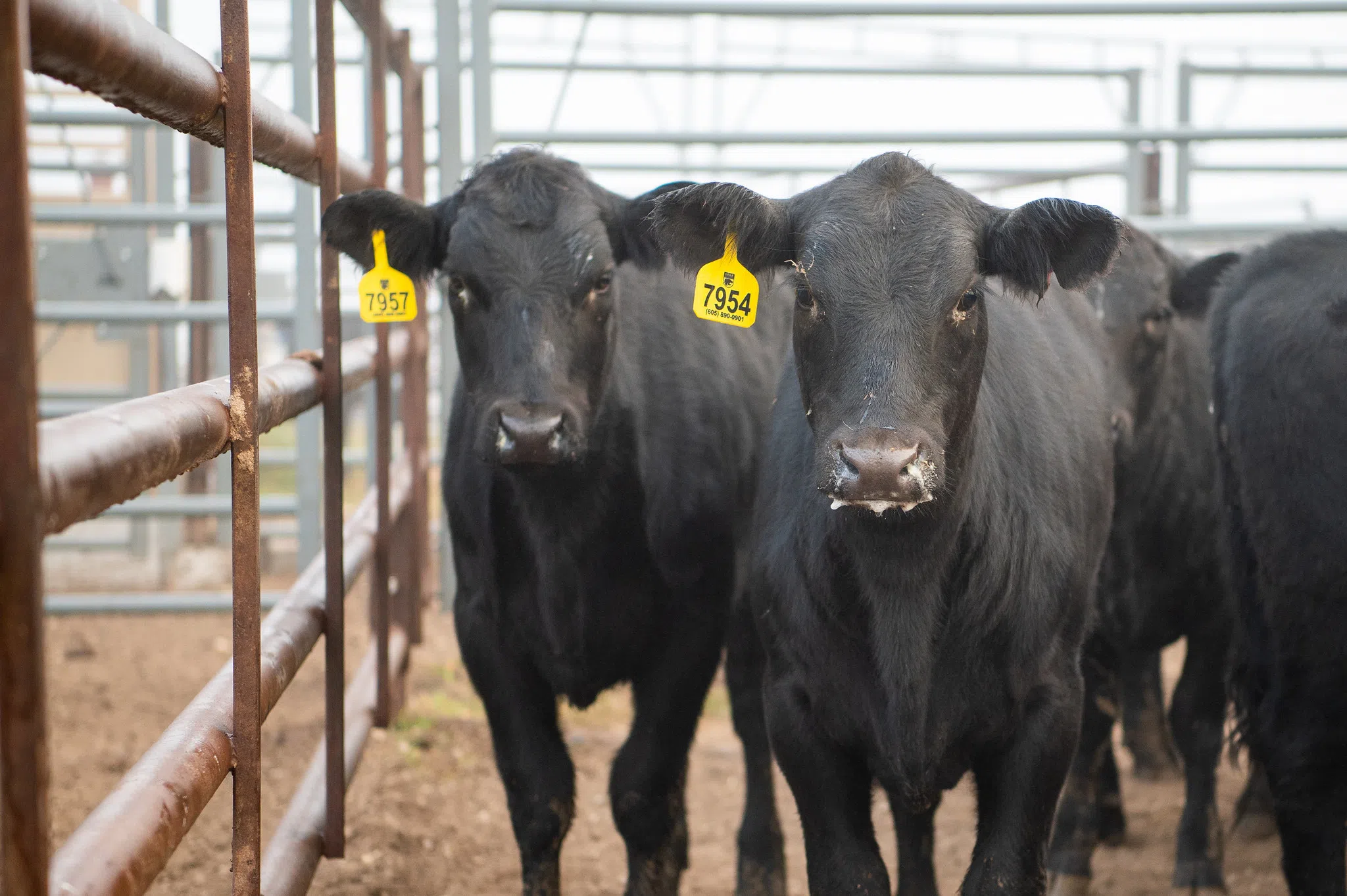
President Trump’s plan to import beef as a short-term way to reduce consumer costs may have gotten ranchers and advocacy groups upset, but it has returned attention to the nation’s small beef herd.
With that in mind, the US Department of Agriculture has announced the Ranchers First Initiative and components designed to incentivize ranchers to add more cattle.
The USDA plan starts with what’s called the Beef Retention and National Development, or BRAND endorsement, as part of Livestock Risk Protection. The goal is enroll heifers for a 2-year period to set a protected value based on the anticipated slaughter value of the animal when it’s enrolled. If the heifer’s projected or actual slaughter value goes above the animal’s worth as breeding stock, the policy will offset the difference for ranchers.
Also, USDA will let ranchers use Emergency Conservation Program or ECP acres on Grassland Conservation Reserve Program or CRP land to help speed up recovery efforts after natural disasters, including wildfires. Ranchers can also use special Farm Service Agency loans for their land, livestock and equipment needs.
On the processing side, USDA is adding to its Strengthening Processing for US Ranchers or SPUR program to create a SPUR Guaranteed Loan Program supporting regional processing through processor co-ops and expanded small business footprints. USDA is also looking to start what it calls a Regional Processor Continuity Effort as a way to move processing towards small or mid-sized independent businesses or co-ops.
On the purchasing side, USDA plans to prioritize federal buys of locally-processed American beef at state and federal institutions.
The domestic herd is at its smallest point in 75 years at around 86 million head.
President Trump has not said which countries will be allowed to import beef duty free and at 25-percent below cost to consumers through early November.